Legacy Venues' Blueprints: How Iconic Casino Layouts Reshaped Algorithm Design in Digital Poker and Bingo Ecosystems
Devon Schulz · Sep 29, 2026
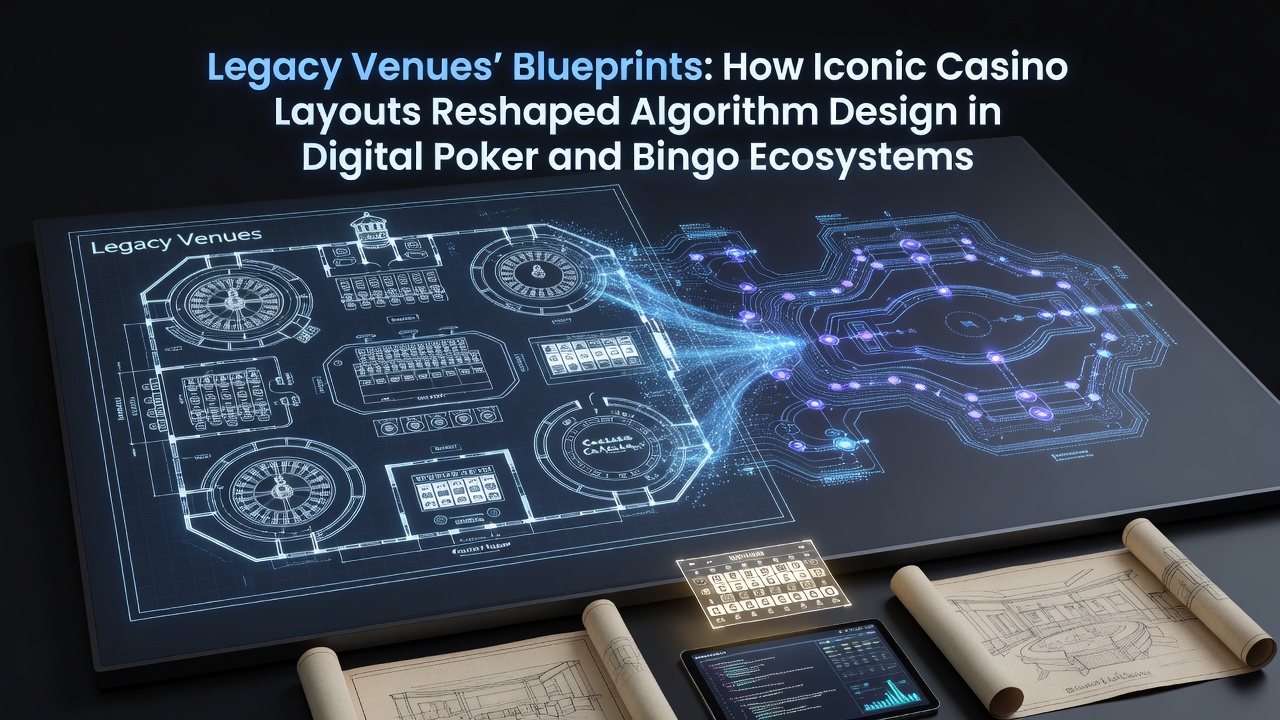
Legacy Venues' Blueprints: How Iconic Casino Layouts Reshaped Algorithm Design in Digital Poker and Bingo Ecosystems
Physical casino designs from the mid twentieth century onward established spatial patterns that later informed how digital systems organize player movement, randomization sequences, and session pacing in online poker and bingo platforms, according to industry analyses from the Nevada Gaming Control Board and similar regulatory bodies worldwide.
Physical Layouts as Foundational Models
Iconic venues arranged tables in clusters that balanced visibility, traffic flow, and isolation zones, creating natural pathways that operators replicated when coding lobby navigation and table assignment routines for virtual poker rooms, while bingo halls favored grid like seating blocks that translated into numbered card distribution logic and draw timing parameters. Researchers at institutions including the University of Nevada Reno documented these spatial arrangements in reports covering Las Vegas properties from the 1970s through the 1990s, noting how central cashier stations and peripheral rest areas reduced congestion and how those same principles later appeared in server side queue management for digital bingo sessions.
Transition to Algorithmic Structures
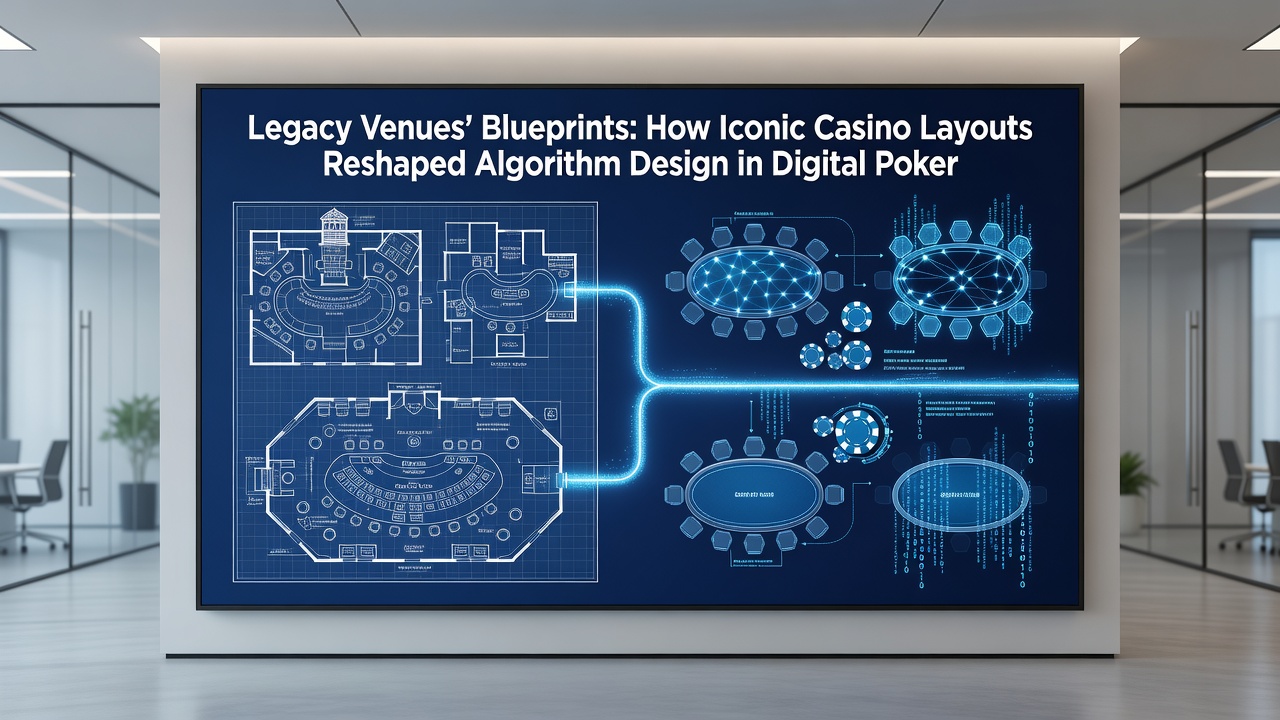
Designers examined the way physical poker rooms positioned high limit tables away from high traffic walkways to maintain focus, and they incorporated comparable zoning into matchmaking algorithms that separate skill levels or stake ranges through virtual barriers rather than physical walls. Data compiled by the Canadian Gaming Association shows that early online poker networks in the late 1990s adopted seating rotation patterns directly modeled on live dealer schedules, reducing player wait times by sequencing joins in a manner that echoed the physical rotation of dealers across multiple tables. Bingo operations followed a parallel path, where the sequential calling of numbers in large halls influenced the staggered reveal mechanics now standard in electronic versions, ensuring each draw maintains the same pacing intervals observed in traditional auditoriums.
One study released by the Australian Institute of Criminology examined how floor plans with clear sightlines between sections reduced disputes and how those sightline principles reappeared in transparency features built into random number generator interfaces for both poker and bingo products. Observers note that these adaptations occurred gradually as software teams consulted architectural diagrams from legacy properties to calibrate user interface elements such as chat positioning and card reveal animations.
Regional Variations and Regulatory Influence
European operators drew from Monte Carlo style layouts that emphasized privacy alcoves, applying similar segmentation to tournament structures where bracket isolation mirrors the physical separation once provided by velvet ropes and elevated platforms. Figures from the Malta Gaming Authority indicate that by 2023 more than sixty percent of licensed poker platforms had integrated modular lobby designs traceable to these earlier spatial models, while bingo ecosystems in the same jurisdiction adopted multi room virtual formats that replicate the division of large halls into smaller play zones. In September 2026, upcoming updates to international gaming standards are expected to formalize additional metrics around session flow that trace their lineage to these same venue blueprints.
Case Examples from Major Properties
Take the original configuration at the Desert Inn in Las Vegas, where poker tables formed a semicircle around a central pit, a pattern that later appeared in the radial distribution logic used by several major online platforms to assign players to tables without clustering high activity users together. Similar patterns emerged from bingo venues in Atlantic City, where long rows of players faced a single caller stage, an arrangement that influenced the linear number progression and simultaneous card marking features now common in digital bingo interfaces. Industry reports compiled by the New Jersey Division of Gaming Enforcement record these correlations in technical submissions from software providers during the early expansion of internet gaming in the United States.
Technical Adaptations in Randomization and Flow
Algorithm engineers translated the physical act of shuffling cards at separate tables into distributed random number generation processes that prevent correlation across concurrent games, while bingo draw mechanisms adopted the measured tempo of live number calls to maintain perceived fairness. Research published through the International Centre for Gaming and Gambling Issues at the University of Sydney highlights how latency buffers in online systems were calibrated using average walking times between physical tables, ensuring that virtual transitions between rounds feel neither rushed nor artificially prolonged.
Conclusion
Legacy venue blueprints continue to supply measurable parameters for algorithm refinement as developers align digital poker and bingo systems with established spatial and temporal conventions from physical environments, with ongoing regulatory reviews scheduled through late 2026 expected to codify additional design references drawn from these historic layouts.