International Regulations and the Transformation of Progressive Jackpot Structures in Digital Gaming Environments
Hugo Vogel · Aug 21, 2026
International Regulations and the Transformation of Progressive Jackpot Structures in Digital Gaming Environments
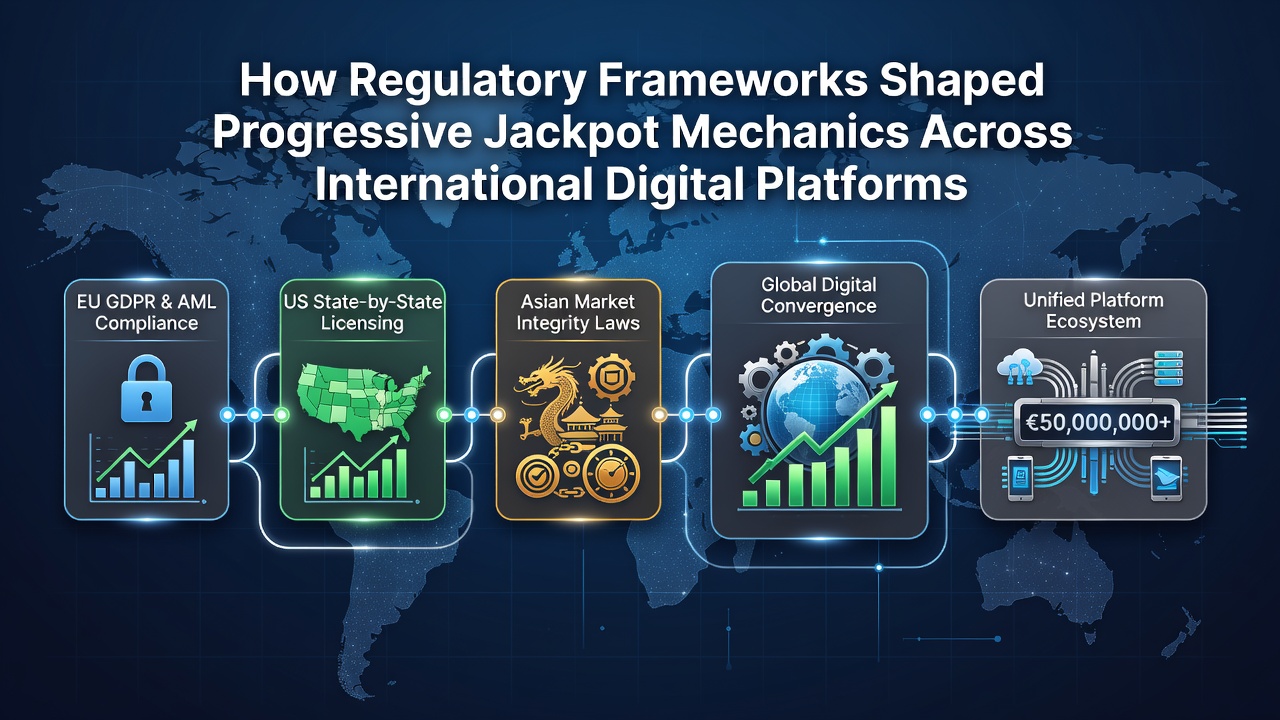
Regulatory frameworks have long dictated how progressive jackpot mechanics operate on international digital platforms, with rules governing contribution percentages, seed funding, cross-border pooling, and payout verification emerging as central factors in system design. Operators must adapt software architectures to comply with jurisdiction-specific mandates, which often require separate jackpot pools for different regulatory zones even when platforms share the same underlying network.
Early Frameworks Set Contribution and Pooling Rules
Initial licensing regimes in places like Nevada and New Jersey established minimum contribution rates from each bet placed into progressive systems, while also mandating that seed amounts remain fixed and auditable. These requirements forced developers to build modular jackpot engines capable of isolating funds by license type, a practice that later spread to European and Asian markets where similar transparency rules took hold. Data from industry reports show that by the mid-2010s, multi-jurisdictional operators routinely maintained three to five distinct progressive pools to satisfy varying local caps on maximum liability.
Regional Differences Drive Technical Adaptations
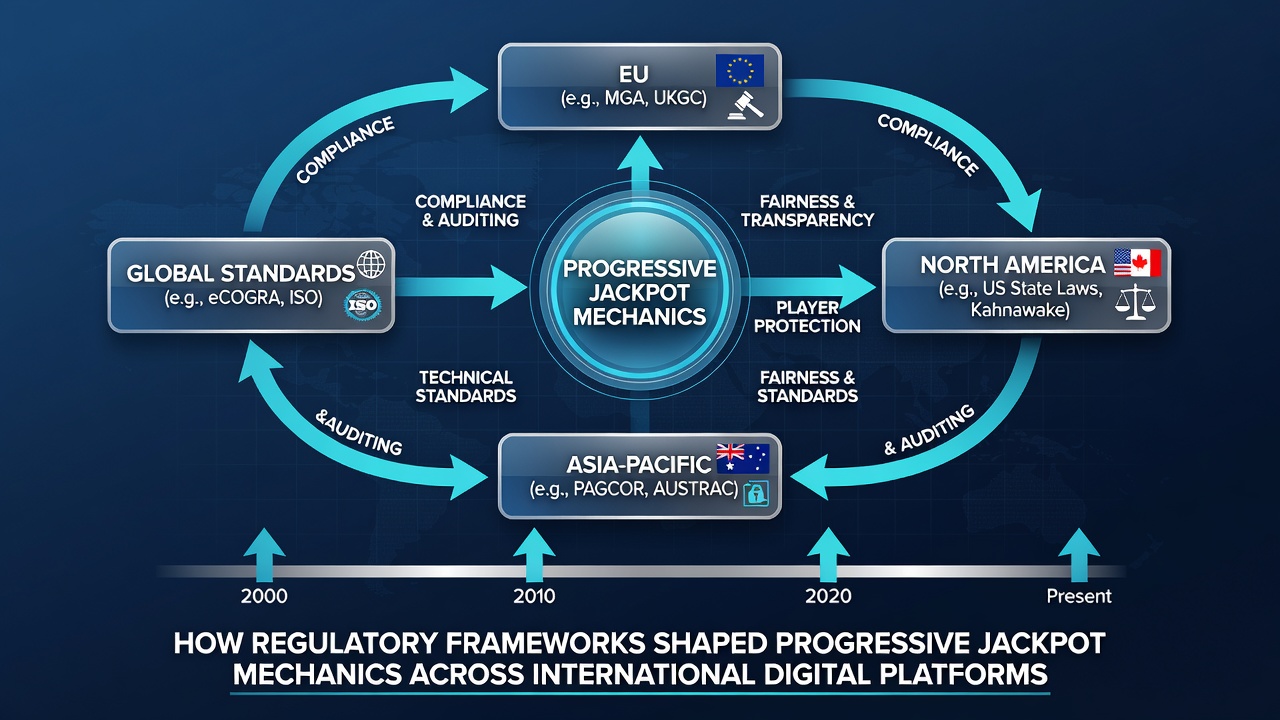
North American state regulators emphasize strict random number generator certification and real-time reporting of jackpot growth, which has led platforms to integrate direct API connections with oversight bodies for automated compliance checks. In contrast, Australian authorities focus on consumer protection measures that limit jackpot contribution rates and require clear disclosure of odds, prompting operators to adjust reel configurations and bonus triggers accordingly. Canadian provincial frameworks add another layer by restricting inter-provincial jackpot pooling, which means platforms serving multiple provinces must segment their progressive mechanics into separate ledgers despite shared player bases.
Cross-Border Pooling Faces Increasing Scrutiny
European directives on digital services have influenced how operators handle pooled jackpots across member states, particularly regarding value-added tax treatment and anti-money laundering thresholds that trigger when jackpots exceed certain amounts. These rules encouraged the creation of geo-fenced jackpot modules that automatically split contributions and freeze funds upon reaching regulatory checkpoints. Observers note that platforms operating in August 2026 continue to refine these modules in response to updated reporting standards that now include blockchain-based audit trails for jackpot transactions.
Transparency Mandates Reshape Player-Facing Mechanics
Rules requiring visible jackpot meters and historical payout data have pushed developers to redesign user interfaces so that players see jurisdiction-specific totals rather than aggregated global figures. This change stems from requirements in multiple regions that demand clear separation between local and international contributions, reducing the risk of misleading advertising claims. Research indicates that platforms complying with these standards experienced measurable shifts in jackpot hit frequencies, as operators recalibrated contribution percentages to stay within newly imposed liability caps.
Future-Proofing Through Modular Architecture
Industry organizations tracking regulatory trends report that leading platforms now deploy configurable jackpot engines capable of toggling contribution rates, seed values, and pooling permissions based on player location detected at login. Such flexibility allows operators to activate or deactivate specific mechanics without full system overhauls when new rules emerge, a capability that proved essential during the regulatory updates observed across several jurisdictions heading into 2026. Academic studies on gambling technology highlight how these modular designs also facilitate quicker audits by external bodies.
Conclusion
Regulatory frameworks continue to define the boundaries within which progressive jackpot mechanics evolve on international digital platforms, shaping everything from technical infrastructure to player-facing displays. Jurisdictions maintain distinct approaches that collectively require operators to maintain sophisticated segmentation and reporting capabilities. As amendments take effect in August 2026 and beyond, platforms that already incorporate flexible architectures remain positioned to integrate new compliance layers while preserving core jackpot functionality across regions.